

What You Need to Know About California’s Child Endangerment Law (PC 273a)
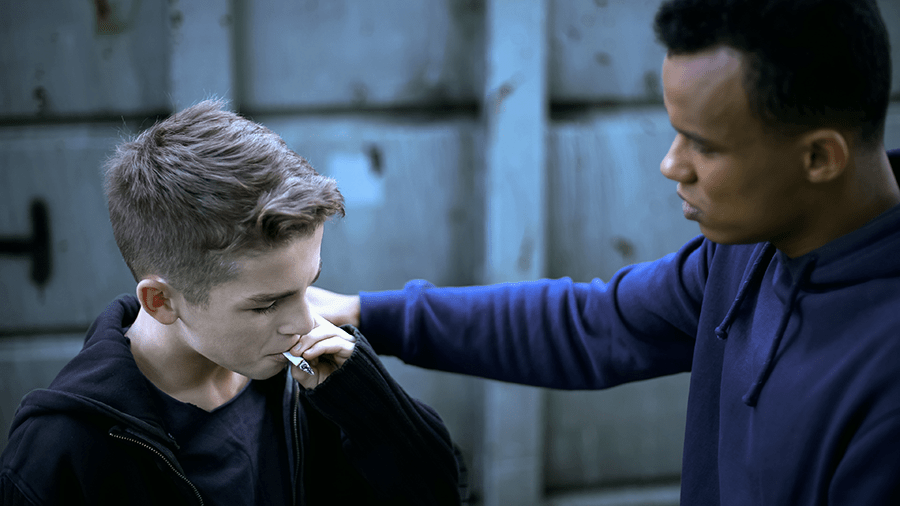
Navigating California’s Child Endangerment Law (PC 273a)
PC 273a, critical in understanding California’s child endangerment law, defines the act of willfully placing a child at unreasonable risk. This can involve physical harm, mental suffering, or situations hazardous to their safety. Here’s what you need to know right away:
Key Points:
- Definition: Willfully placing a child in a situation where their health or safety is endangered.
- Penalties: Can be charged as either a misdemeanor or felony, depending on the severity.
- Consequences: Ranges from probation and fines to years of imprisonment.
The gravity of PC 273a makes it imperative for anyone accused, or their loved ones, to seek legal counsel immediately. This law aims to protect children’s well-being but also holds severe legal implications, demanding a nuanced understanding.
As a seasoned criminal defense attorney, I’ve witnessed the complexities surrounding 273a cases. I’m Adam Jackson, and my experience spans defending clients against various charges, including serious felony offenses tied to child endangerment. My goal is to provide clear, informed guidance to steer these troubling accusations.
Transition seamlessly into the detailed exploration of 273a by delving into its specific criteria, legal definitions, and practical examples.
Understanding Penal Code 273a
Definition of Child Endangerment
Child endangerment under Penal Code 273a involves intentionally placing a child under 18 in a situation that threatens their health and safety. It covers actions that expose a child to unjustifiable pain, suffering, or danger. Importantly, the child does not need to suffer physical harm for the act to be considered child endangerment. The law focuses on the unreasonable risk of harm rather than the actual occurrence of harm.
For a conviction under PC 273a, prosecutors must prove the following:
- Willful Infliction or Permission: The defendant willfully inflicted or permitted the child to suffer unjustifiable physical or mental suffering.
- Care or Custody: The defendant had care or custody of the child and willfully caused or permitted the child to be injured or placed in danger.
- Criminal Negligence: The defendant acted with criminal negligence, meaning their actions were a gross departure from what a reasonable person would do.
- Not Reasonable Discipline: If the defendant is the child’s parent, their actions were not a form of reasonable discipline.
Examples of Child Endangerment
Understanding what constitutes child endangerment can be clearer through real-life examples:
Dangerous Weapons: Leaving a dangerous weapon, such as a knife or a loaded firearm, where a child can easily access it.
Abusive Babysitters: Leaving a child with a babysitter who has a known history of abusive behavior.
DUI with a Child: Driving under the influence of drugs or alcohol with a child in the car, significantly increasing the risk of harm.
Lack of Medical Treatment: Failing to seek necessary medical treatment for a very sick child, putting their health at serious risk.
These scenarios exemplify situations where a child’s safety is compromised due to the caregiver’s actions or negligence. Each of these actions or inactions places the child in unreasonable risk of harm, fulfilling the criteria for 273a charges.

By understanding these definitions and examples, it becomes clearer how the law applies in various situations, emphasizing the importance of protecting children from potential harm.
Next, we will dig into the penalties associated with PC 273a, both misdemeanor and felony, and the potential consequences for those convicted under this law.
Penalties Under PC 273a
When it comes to PC 273a, the penalties can vary greatly depending on the severity of the situation and whether the offense is charged as a misdemeanor or a felony. Let’s break down the potential consequences:
Misdemeanor Penalties
If the child endangerment did not create a risk of great bodily injury or death, the crime is typically charged as a misdemeanor. Here are the potential penalties:
- Up to 1 year in county jail
- A fine of up to $1,000
- Misdemeanor probation, which can last up to 4 years and may include conditions such as a protective order, completion of a child abuser’s treatment program, and possibly random drug testing if substance abuse was involved.
Felony Penalties
When the endangerment involves circumstances likely to produce great bodily harm or death, it becomes a wobbler offense. This means it can be charged as either a misdemeanor or a felony based on the specifics of the case and the defendant’s criminal history.
For a felony conviction, the penalties can include:
- 2, 4, or 6 years in California state prison
- A fine of up to $10,000
- Felony probation, which also lasts a minimum of 4 years and includes similar conditions to misdemeanor probation.
Great Bodily Injury Improvement
If the child actually suffers great bodily harm due to criminal negligence, an additional sentencing improvementmay apply. This improvement can add an additional and consecutive term in state prison. The severity of this improvement depends on the extent of the injury and the circumstances surrounding the case.
For instance, if convicted of causing severe harm under PC 12022.7, you could face extra years added to your sentence. Cases like People v. Rodriguez and People v. Escobar highlight how juries determine the extent of injury and its impact on sentencing.
Understanding these penalties emphasizes the importance of legal representation when facing PC 273a charges. The consequences are severe and can significantly impact one’s life, making it crucial to seek experienced legal help.
Next, we will explore the legal defenses available for those accused of child endangerment under PC 273a.
Legal Defenses to Child Endangerment Charges
Facing charges under PC 273a can be overwhelming. However, several legal defenses can be used to challenge these accusations. Here’s a breakdown of common defenses:
The Act Was Not Willful or Criminally Negligent
To be convicted under PC 273a, the act must be willful or criminally negligent. Accidents and ordinary negligence do not meet this threshold.
Example: Kate briefly leaves a knife on the counter to answer the phone, and her child picks it up, cutting their fingers. This is an unfortunate accident, not criminal negligence. A reasonable person might assume a child wouldn’t grab the knife in such a short time.
Reasonable Discipline
California law allows for reasonable corporal punishment as a form of discipline. This means actions like spanking or sending a child to their room can be considered lawful.
Example: Betty spanks her child with a belt during a temper tantrum. Under the circumstances, this might be seen as reasonable discipline, not child endangerment.
False Accusations
False accusations are common, especially during child custody battles or when a child is angry or manipulated.
Example: A child, angry about a new stepparent, falsely accuses their parent of abuse. In such cases, thorough investigation and evidence gathering are essential to prove innocence.
Mistake of Fact
Mandatory reporters like doctors and teachers must report any suspicion of child endangerment, sometimes leading to misunderstandings.
Example: Phil’s son falls off his bike, but the doctor suspects abuse and reports it. Later, a witness confirms the fall was an accident, not abuse. Misinterpretations like these can lead to wrongful charges.
Someone Else Endangered the Child
Sometimes, the wrong person is accused of child endangerment. Eyewitness testimony or surveillance video can help prove who was actually responsible.
Example: A babysitter leaves a child unattended, but the parent is blamed. Eyewitnesses or video footage can show the babysitter’s negligence, not the parent’s.
No Responsibility Over the Child
To be held accountable under PC 273a, you must have had care or custody of the child at the time of the incident.
Example: If a child is injured while under another person’s care, and you were not legally responsible at that time, you should not be held liable.
These defenses highlight the complexity of PC 273a cases and the importance of having a skilled attorney to steer them. Next, we will discuss related crimes and their implications.
Related Crimes
Penal Code 273d PC – Child Abuse
Penal Code 273d addresses child abuse, specifically physical abuse directed at a minor. This law covers any situation where a person willfully inflicts cruel or inhuman corporal punishment or any injury resulting in a traumatic condition.
Key Points:
- Wobbler Crime: This means that child abuse under PC 273d can be charged as either a misdemeanor or a felony, depending on the severity of the abuse and the circumstances.
- Penalties:
- Misdemeanor: Up to 1 year in county jail and/or a fine up to $6,000.
- Felony: 2, 4, or 6 years in state prison and/or a fine up to $6,000.
Example: A parent who hits their child with a belt, leaving significant bruises, could be charged under PC 273d. If the injuries are severe, the charge is more likely to be a felony.
Penal Code 270 PC – Child Neglect
Penal Code 270 deals with child neglect, which involves failing to provide necessary physical necessities to a child. This can include food, clothing, shelter, or medical care.
Key Points:
- Legal Obligation: The law applies only to parents and guardians who have a legal duty to care for the child.
- Penalties:
- Misdemeanor: Up to 1 year in jail and/or a fine up to $2,000.
- Subsequent Convictions: May be charged as a wobbler, with increased penalties.
Example: A parent who fails to provide adequate food, resulting in malnutrition, could be charged under PC 270. If the neglect is severe or repeated, it might be charged as a felony.
Legal Implications: Both child abuse and neglect charges carry serious consequences, not only legally but also socially and professionally. Convictions can lead to loss of custody, job termination, and being listed in the Child Abuse Central Index (CACI), which can impact future employment opportunities, especially in roles involving children.
These related crimes highlight the importance of understanding the full scope of child protection laws in California. The next section will cover frequently asked questions about PC 273a and related laws.

Frequently Asked Questions about PC 273a
What does Penal Code 273a mean?
Penal Code 273a deals with child endangerment in California. It covers situations where someone willfully causes or permits a child to suffer unjustifiable physical pain, injury, or mental suffering. It also includes placing a child in a situation where their health or safety is at risk.
Key points:
- Willful Conduct: The act must be done on purpose, without need for specific intent to harm.
- Unjustifiable Pain: This means any physical or mental suffering that is unnecessary or excessive.
- Health and Safety Risks: Includes situations likely to cause great bodily injury or death.
What is the punishment for child endangerment in California?
Punishments for child endangerment under PC 273a vary based on the severity of the situation.
Misdemeanor Child Endangerment (PC 273a(b)):
- Jail Time: Up to 1 year in county jail.
- Fines: Up to $1,000.
- Probation: Possible, with conditions like attending parenting classes.
Felony Child Endangerment (PC 273a(a)):
- Prison Time: 2, 4, or 6 years in state prison.
- Fines: Up to $10,000.
- Probation: Possible, but with stricter conditions.
What is willful cruelty to a child?
Willful cruelty to a child involves actions that cause unjustifiable physical pain or mental suffering. Under PC 273a, this can include:
- Physical Pain: Hitting, slapping, or any form of physical abuse.
- Mental Suffering: Emotional abuse that causes significant distress.
- Unjustifiable Punishment: Punishments that are excessive or not necessary for discipline.
Example: If a parent leaves a young child alone in a car on a hot day, this could be considered willful cruelty, even if the child is not physically harmed.
Understanding these aspects of PC 273a can help you recognize the seriousness of child endangerment laws in California. For more detailed information, refer to Inland Empire Criminal Defense.
Conclusion
Understanding California’s Child Endangerment Law (PC 273a) is crucial for anyone involved in the care of children. The law is designed to protect children from harm and ensure their safety. However, accusations of child endangerment can be complex and emotionally charged.
Summary: We’ve discussed the definition of child endangerment, provided examples, outlined the penalties, and explored various legal defenses. If you or someone you know is facing charges under PC 273a, it’s important to understand the potential consequences and your legal options.
Importance of Legal Representation: Navigating child endangerment charges can be daunting. Having an experienced criminal defense attorney can make a significant difference in the outcome of your case. An attorney can help you understand your rights, build a strong defense, and represent you in court.
Inland Empire Criminal Defense: At Inland Empire Criminal Defense, we specialize in defending against child endangerment charges. Our team is dedicated to providing top-notch legal representation and achieving the best possible outcome for our clients. We understand the stress and uncertainty that come with facing criminal charges, and we are here to help you every step of the way.
Free Consultations: If you or a loved one is accused of child endangerment, don’t wait. Contact us today for a free consultation. We are always available to explain your rights and defense options.
Contact Information: Reach out by visiting our Child Endangerment Laws (PC 273a) in California page for more information.
For more detailed information, refer to Inland Empire Criminal Defense.