
Key Steps in a Preliminary Trial Hearing
A preliminary trial hearing is a crucial step in the judicial process, setting the stage for what follows in a criminal case. Understanding the…


A preliminary trial hearing is a crucial step in the judicial process, setting the stage for what follows in a criminal case. Understanding the…

Navigating the legal system can often feel like deciphering a foreign language. One term you might encounter if you’re involved in a lawsuit is…

Navigating the realm of legal matters can often feel daunting, especially when confronted with misinformation about warrants. Myths and misconceptions can lead to unnecessary…
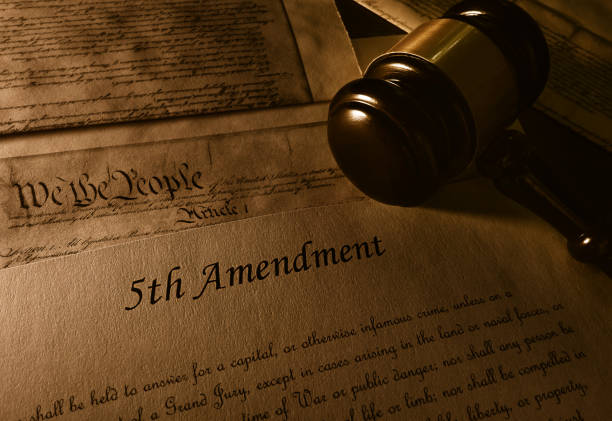
The phrase “pleading the Fifth” often pops up in legal dramas and news reports, but what does it really mean? The Fifth Amendment of…

Miranda Rights, as we know them today, originated from the landmark Supreme Court case, Miranda v. Arizona, decided in 1966. This pivotal case highlighted…

A subpoena is a legal document that orders an individual to appear in court as a witness or to produce documents relevant to a court case. It ensures that all necessary information and testimonies are presented during a legal proceeding. Understanding the basics of subpoenas can help you know what to expect if you receive one or need to issue one. The Importance of a Subpoena Subpoenas are vital tools in the legal process, guaranteeing that the court has access to all pertinent information. This ensures fairness and thoroughness in legal proceedings, allowing for a comprehensive evaluation of the case at hand. Without subpoenas, crucial evidence might be overlooked, leading to unjust outcomes. Legal Authority and Compliance Subpoenas carry the weight of the legal system, requiring compliance under penalty of law. Ignoring a subpoena can result in serious consequences, including fines or even jail time. Compliance is not just a legal obligation but also a civic duty to ensure justice is served. Historical Context The concept of subpoenas dates back centuries, rooted in the English common law system. Over time, their use has evolved, but the fundamental principle remains the same: to compel individuals to provide evidence or testimony necessary for the judicial process. Understanding this history underscores the significance of subpoenas in upholding the rule of law. Types of Subpoenas There are generally two types of subpoenas: How to Obtain a Subpoena Understanding the Process To obtain a subpoena, you typically need to follow specific procedures, which can vary by jurisdiction. In California, subpoenas are generally obtained through the court clerk’s office. Here’s a simplified overview of the process: Can a Lawyer Issue a Subpoena? In most cases, lawyers can issue subpoenas on behalf of their clients. This is especially common in civil cases where the attorney needs to gather evidence or witness testimony. Costs and Fees Obtaining a subpoena may involve certain costs, including filing fees and service charges. Understanding these costs upfront can help in budgeting for the legal process. Additionally, there may be costs associated with compensating witnesses for their time and expenses. Serving a Subpoena Legal Requirements Serving a subpoena must adhere to specific rules to be legally binding. In California, the rules for serving a subpoena are as follows: Does a Subpoena Mean You Have to Go to Court? Receiving a subpoena generally means you are legally obligated to comply with its terms, which could include appearing in court. Failing to comply could result in penalties or contempt of court charges. Ensuring Proper Service Ensuring that a subpoena is properly served is crucial for its validity. This involves adhering to all legal requirements and documenting the service process meticulously. Proper service ensures that the subpoena can withstand any legal challenges regarding its delivery. Rules for Serving a Subpoena in California…