

Can You Take Back a Guilty Plea in California? Here’s How It Really Works
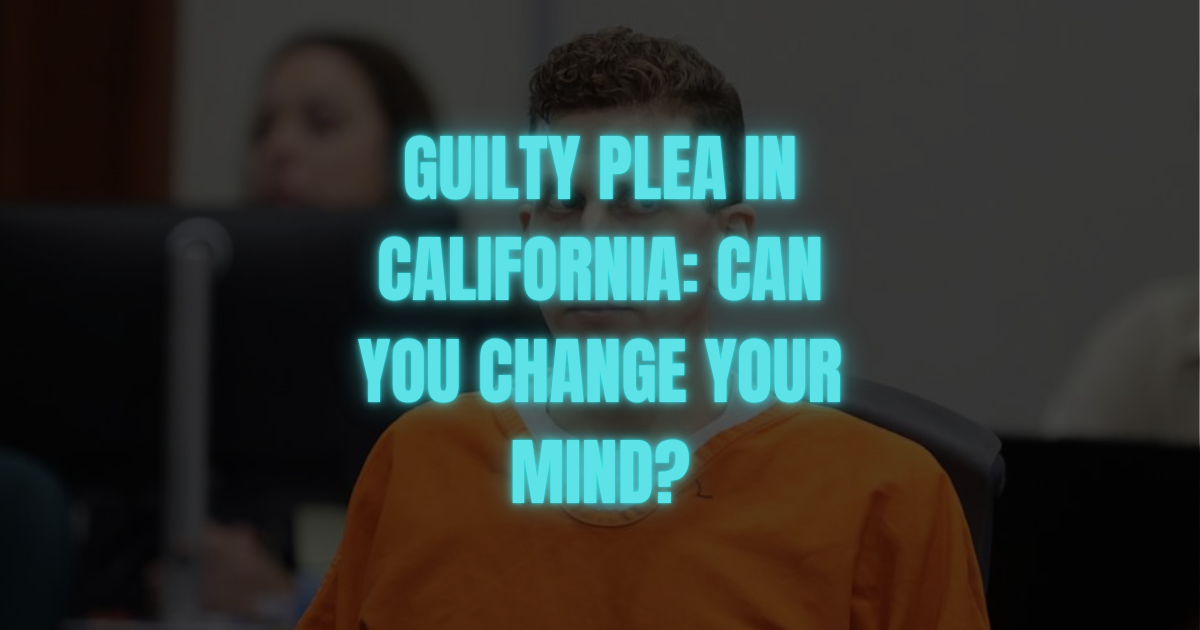
When Bryan Kohberger recently announced that he wanted to withdraw the guilty plea he entered in the University of Idaho murder case, many people began asking the same question: Can you actually take back a guilty plea?
Kohberger pleaded guilty in 2025 to the murders of four University of Idaho students as part of an agreement that spared him the death penalty. Now, he claims his plea was not voluntary and is asking the court to let him withdraw it. Whether Idaho courts allow that remains to be seen, but one thing is clear: reversing a guilty plea is rarely easy.
If something similar happened in California, would it be possible?
The answer is yes, but only in limited circumstances.
California Law Allows Some Guilty Pleas to Be Withdrawn
In California, the law that governs withdrawing a guilty plea is California Penal Code 1018 (PC 1018).
This law allows a defendant to ask the court to withdraw a guilty plea, or a no contest plea, before judgment if they can show good cause.
However, simply regretting your decision is not enough.
The court generally wants to see evidence that something prevented the plea from being entered knowingly, intelligently, and voluntarily.
Examples of “good cause” may include:
- Being coerced or threatened into pleading guilty
- Not understanding the consequences of the plea
- Receiving ineffective assistance from an attorney
- A language barrier that prevented understanding
- A mental condition that affected the ability to make an informed decision
Every case is different, and judges carefully review the facts before deciding whether a plea should be withdrawn.
Is It Hard to Take Back a Guilty Plea?
Generally speaking, yes.
California courts take guilty pleas seriously.
Before accepting one, judges usually ask defendants a series of questions to make sure they understand exactly what they are doing.
For example, the judge will typically ask whether the defendant:
- Understands the charges
- Knows the possible penalties
- Has discussed the case with their attorney
- Is entering the plea voluntarily
- Understands they are giving up important constitutional rights, including the right to a jury trial
Once those answers are given under oath, it becomes much more difficult to later argue that the plea was not voluntary.
That doesn’t mean it never happens. It simply means the legal standard is high.
Is It Even Harder in a Murder Case?
Absolutely.
The more serious the crime, the more carefully courts examine the plea process.
For example, someone charged with murder under California Penal Code 187 (PC 187) faces some of the most severe penalties available under California law. Because of that, judges usually spend considerable time ensuring the defendant fully understands the consequences before accepting a guilty plea.
If someone later asks to withdraw that plea, the court will often compare the new claims with everything the defendant previously said under oath.
If the defendant clearly told the judge they understood the plea, were satisfied with their attorney, and were pleading voluntarily, convincing a court otherwise later can be extremely difficult.
If sentencing has already occurred, withdrawing a guilty plea becomes even more challenging. In many situations, defendants must pursue other legal remedies, such as appeals or post-conviction relief, each with its own legal requirements and deadlines.
What Happens If the Court Grants the Motion?
If a judge allows a defendant to withdraw a guilty plea under California Penal Code 1018 (PC 1018), the guilty plea is set aside.
The criminal case generally returns to the point before the plea was entered.
Depending on the circumstances, that could mean:
- Plea negotiations begin again.
- The prosecution proceeds toward trial.
- Additional motions may be filed.
- The defendant may enter a different plea.
However, withdrawing a plea does not mean the criminal charges disappear. Instead, it simply restores the case to an earlier stage of the criminal process.
Why Having the Right Attorney Matters
Whether someone is considering pleading guilty, or trying to withdraw a plea, the decision can have life-changing consequences.
An experienced criminal defense attorney can:
- Explain the long-term consequences of pleading guilty.
- Evaluate whether a plea agreement is in your best interest.
- Determine whether grounds exist to withdraw a plea under California Penal Code 1018 (PC 1018).
- Protect your constitutional rights throughout the process.
- Build the strongest possible defense for your case.
Making the wrong decision too quickly can affect your freedom, your employment opportunities, your professional licenses, and your future.
Contact Inland Empire Criminal Defense Today
If you are considering pleading guilty, or believe you entered a guilty plea that was not knowing, voluntary, or legally valid, don’t wait to seek legal advice. The sooner an experienced criminal defense attorney reviews your case, the more options may be available.
Call Inland Empire Criminal Defense today at 909-939-7126 to speak with an experienced criminal defense attorney who has handled hundreds of cases similar to yours. We will carefully review your case, explain your legal options, and fight to protect your rights every step of the way. Your first consultation is free.