
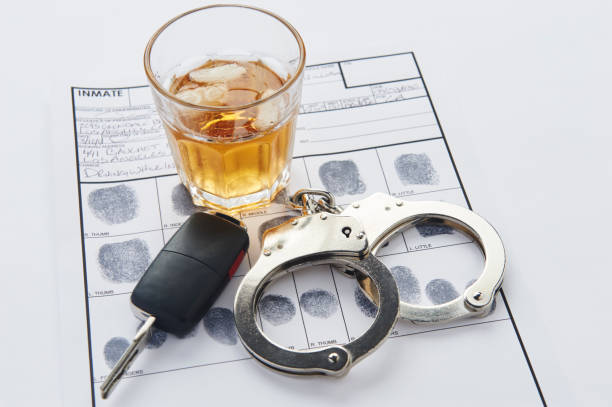
Think You Know the Legal Alcohol Limit? Let’s Bust the Myths
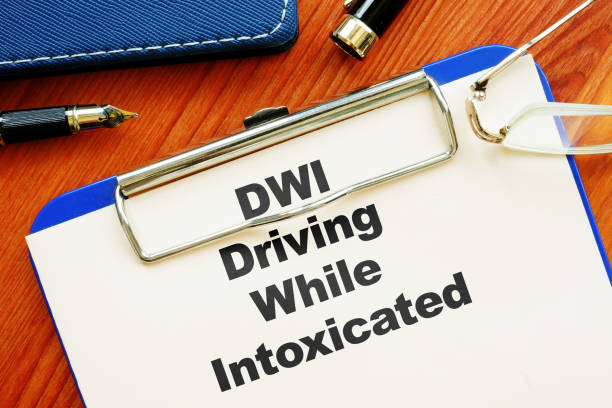
Understanding the legal alcohol limits is crucial for everyone, especially if you plan to drive. Many misconceptions surround what these limits entail and how they affect your ability to drive safely. In this article, we will explore the facts and debunk the myths about legal alcohol limits. What is BAC? Blood Alcohol Concentration (BAC) is a metric used to determine the amount of alcohol in your bloodstream. It is usually expressed as a percentage. For example, a BAC of 0.08% means there are 0.08 grams of alcohol for every 100 milliliters of blood. Legal BAC Limits The legal limit for BAC while driving varies across different countries and regions. In the United States, the standard legal limit is 0.08% for drivers aged 21 and over. However, some states have lower limits for specific situations or demographics. BAC Limits by State The legal BAC limit can vary by state. For instance, Utah has set a lower limit of 0.05%. Meanwhile, commercial drivers are often held to stricter standards, with limits typically set at 0.04%. What Affects Your BAC? Several factors influence your BAC, including: Myths About Alcohol Limits Myth 1: You Can’t Get Drunk on Beer Fact: Alcohol is alcohol. Whether it’s beer, wine, or spirits, consuming enough will increase your BAC. The type of drink doesn’t matter as much as the amount of alcohol consumed. Myth 2: Coffee and Cold Showers Can Sober You Up Fact: Time is the only real solution to reduce BAC. While coffee and cold showers might make you feel more alert, they do not reduce your BAC. Myth 3: You Can “Hold Your Liquor” Fact: Regular drinkers might feel less impaired due to tolerance, but their BAC will be the same as someone with less tolerance drinking the same amount. Understanding BAC Levels and Effects BAC Levels and Impairment Consequences of Exceeding Legal Limits Exceeding the legal BAC limit can lead to severe legal penalties, including: Tools to Measure BAC Breathalyzers Breathalyzers are common tools used by law enforcement to measure BAC. They provide a quick estimate of your BAC based on a breath sample. BAC Charts…