
Constitutional Amendment 2 Explained: History, Purpose, and Impact
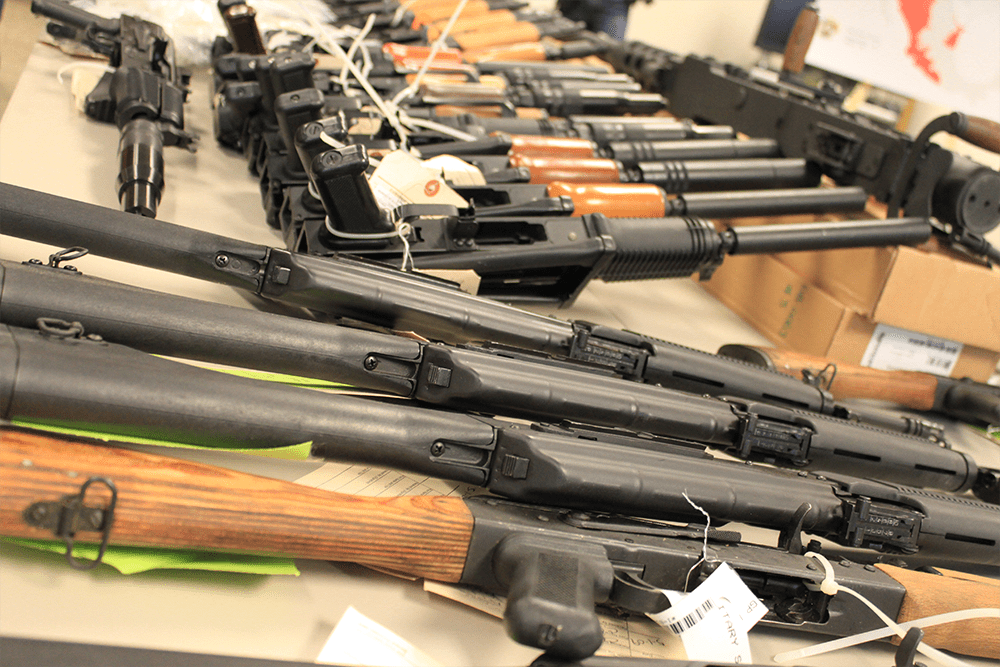
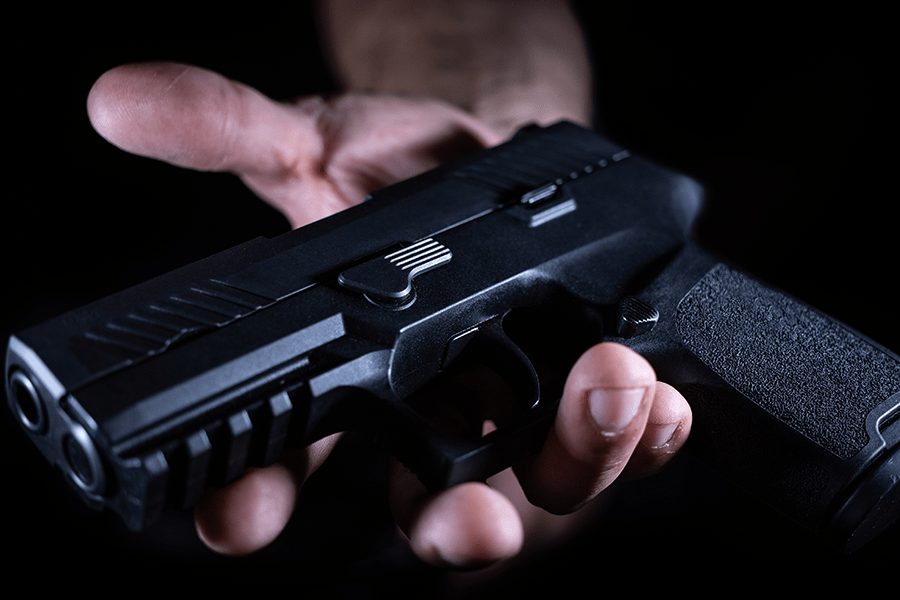
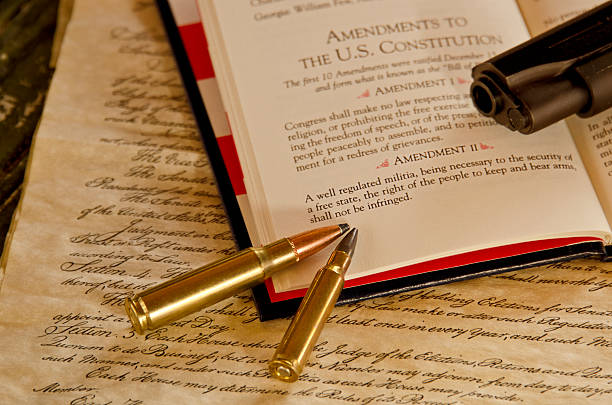
The Second Amendment to the United States Constitution is one of the most debated and controversial parts of American law. It states: “A well regulated Militia, being necessary to the security of a free State, the right of the people to keep and bear Arms, shall not be infringed.” But what does this mean, and why is it so important? Let’s dive into the history and implications of this constitutional amendment. Why Was the Second Amendment Created? The Second Amendment was adopted on December 15, 1791, as part of the Bill of Rights, the first ten amendments to the United States Constitution. The framers of the Constitution were influenced by their experiences under British rule, where they had seen the importance of having armed citizens to resist tyranny. They wanted to ensure that the new government would not have the power to disarm the people, as they believed an armed population was essential for maintaining liberty and deterring government overreach. What Does “A Well Regulated Militia” Mean? The phrase “a well regulated Militia” has been the subject of much interpretation. At the time of the amendment’s drafting, militias were groups of citizen-soldiers who could be called upon to defend their communities. “Well regulated” meant they were to be properly trained and equipped, not necessarily regulated by the government. Understanding the Right to Bear Arms What Does It Mean to “Keep and Bear Arms”? The right to “keep and bear arms” refers to the ability of individuals to own and carry weapons. This was seen as a fundamental right necessary for self-defense and the protection of personal liberties. The framers believed that citizens should have the means to defend themselves against threats, whether from other individuals or from a potentially tyrannical government. “Shall Not Be Infringed” – What Does This Mean? The phrase “shall not be infringed” is a powerful statement that indicates the framers’ intent to protect this right from government interference. In other words, the government is not allowed to violate or encroach upon the right to keep and bear arms. Why Is the Second Amendment Important? 3 Reasons Why the Second Amendment Is Important The Controversy Surrounding the Second Amendment Why Is the Second Amendment So Controversial? The Second Amendment is controversial due to differing interpretations of its language and intent. Some argue that it ensures an individual’s right to own firearms, while others believe it applies only to organized militias. This debate has fueled ongoing legal and political battles over gun control and the extent of the right to bear arms. What Does the Second Amendment Mean in Simple Terms? In simple terms, the Second Amendment is about the right of individuals to own and carry weapons, and the role of militias in maintaining a free state. It is a protection against government tyranny and a means of ensuring personal and collective security. Modern Interpretations and Implications The Role of the Supreme Court The Supreme Court has played a significant role in interpreting the Second Amendment. Landmark cases such as District of Columbia v. Heller (2008) have affirmed an individual’s right to possess firearms for self-defense within the home. However, the court has also acknowledged that this right is not unlimited and can be subject to certain regulations. The Meaning of “Pro 2A” and Second Amendment Symbols “Pro 2A” is a shorthand term for individuals or groups that support the Second Amendment and advocate for the right to bear arms. Symbols such as the Gadsden flag or the phrase “Don’t Tread on Me” are often associated with Second Amendment supporters, representing a spirit of independence and resistance to government control. Conclusion…